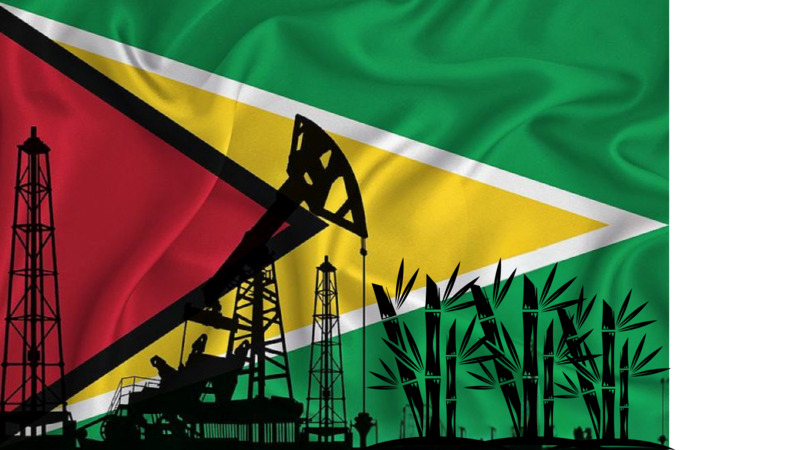
My project outlines the land of Guyana. I undercover the role of climate colonialism and how the shift from sugar exploitation to oil exploitation has now led into the present century. I state the level at which climate change and social justice have been researched. I bring in colonialism by stating the shift in the rule from the Dutch to the British. I plan to discuss the economic components of how sugar was transported and where. I will explain how the major actors, like GuySoCo (sugar company) and others, played into the rise and downfall of Guyana’s wealth. This will play into the number of enslaved people they brought over as well as the number of indentured laborers from Asia. Mentioning the labor of enslaved people and many racial distribution patterns will tie all these together in how they impacted the climate then and now. It will be a great example of the exploitation of the land and people. This project will make people more aware of the effects of colonialism, not just on the people but through an environmental lens.
When people think of Cold War politics, they think of communism in Cuba, specifically the Bay of Pigs and the Cuban Missile Crisis. However, Haiti played a pivotal role in the United States' attempts to create an anticommunist
ally. From the Eisenhower administration to the Reagan administration, anti-communist sentiment led to the perpetuation of a brutal dictatorship with many human rights violations. Francois Duvalier, a follower of Voodoo and a Houngan, gained popularity from the lower and middle classes. To solidify his power, he created the Tonton Macoutes (secret police force), and they murdered with impunity. His son, Jean-Claude, drove the
country into poverty, funding his lavish lifestyle; however, he fell out of favor with the Tonton Macoutes and old-school Duvalierists, leading to his exile by 1986. For thirty years, this father and son duo exploited the United
States to the detriment of the Haitian economy. Furthermore, this project studies the fragile but complex relationship between the United States and Haiti during the Cold War era.
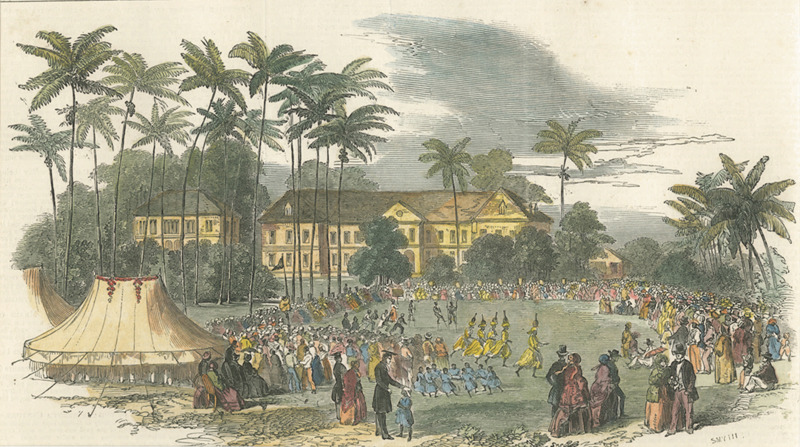
Understanding the Anglican ministers’ work to ameliorate the enslaved and then to emancipate helps us realize the start of a humanitarian ministry to Britain’s overseas colonies and as a watershed event for the future Era of Reconciliation in the modern global Anglican Church. This project also discusses the loss of the Anglican Church’s identity as “the Empire’s Church” and how modern reconciliation helps the church find its new identity in the postcolonial 21st century. Britain has long underdeveloped the Caribbean, and it has called for reparations. This project delves into the legacies of colonialism and slavery that have built Caribbean society, and how modern movements have sought to reconcile the colonial injustice.
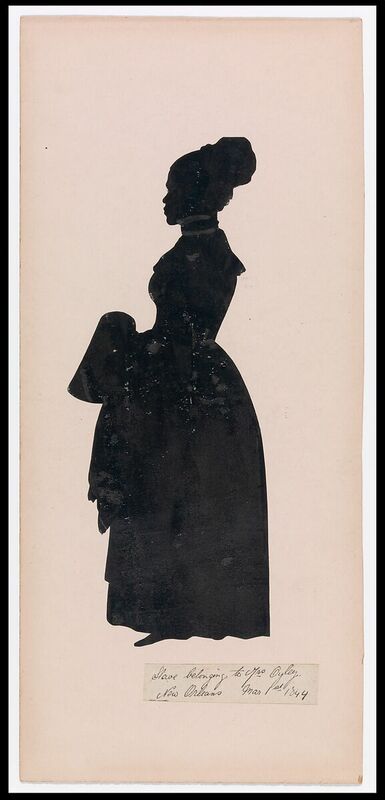
Revolution and Emancipation: Women’s Roles in Haitian and United States Law investigates the laws and ordinances passed in the United States and Haiti pertaining to the citizenship status of Black women and that of their offspring. In the United States and Haiti, the enslavement of African individuals contributed to each nation’s economic stability and embedded itself into its societies. To maintain the economic and social structure in both nations, Black women’s wombs and physical and social mobility are crucial. However, each nation introduced restrictions differently, and the basis on which this difference rests is the original motivations for nationhood. The United States sought to detach itself from a tyrannical colonial government and inalienable freedoms, while Haiti pursued absolute freedom, racial equality, and separation from an oppressive colonial government. Similar research on Haiti and the broader Caribbean has focused on the process of nation-building in these regions. Further, it has explored the causes and effects of colonization, the economic impact of the slave trade, and the strides Caribbean nations have taken towards reparative justice. This study explains how Black women’s bodies were used to achieve these ends and their implications in the twenty-first century.