-
Topic Title
-
Revolution and Emancipation: Women’s Roles in Haitian and United States Law
-
See Project
-
Topic Summary Description
-
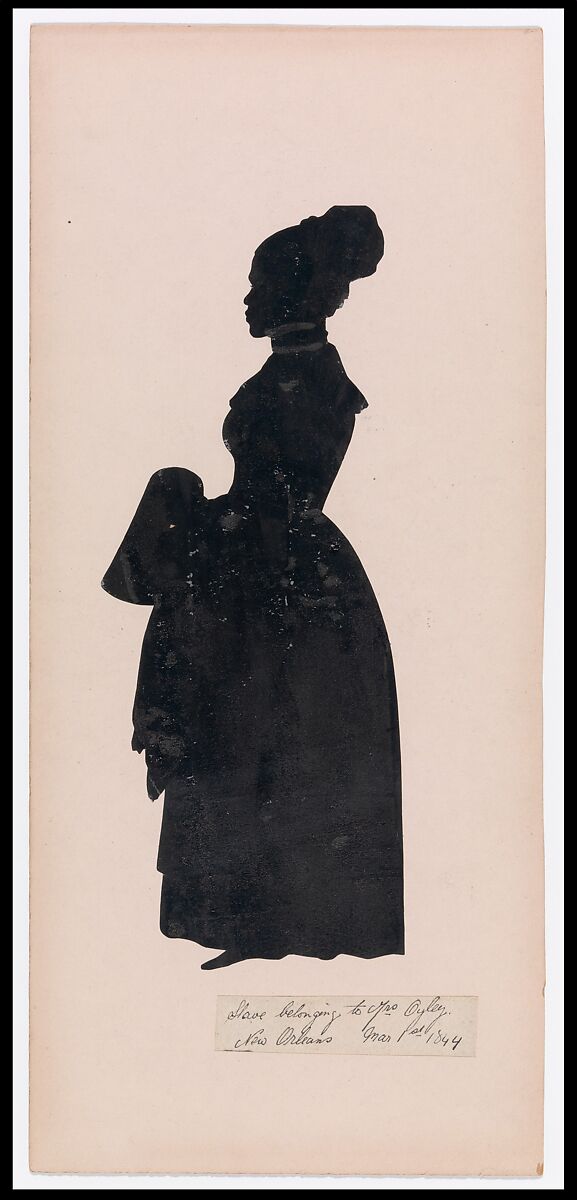
Revolution and Emancipation: Women’s Roles in Haitian and United States Law investigates the laws and ordinances passed in the United States and Haiti pertaining to the citizenship status of Black women and that of their offspring. In the United States and Haiti, the enslavement of African individuals contributed to each nation’s economic stability and embedded itself into its societies. To maintain the economic and social structure in both nations, Black women’s wombs and physical and social mobility are crucial. However, each nation introduced restrictions differently, and the basis on which this difference rests is the original motivations for nationhood. The United States sought to detach itself from a tyrannical colonial government and inalienable freedoms, while Haiti pursued absolute freedom, racial equality, and separation from an oppressive colonial government. Similar research on Haiti and the broader Caribbean has focused on the process of nation-building in these regions. Further, it has explored the causes and effects of colonization, the economic impact of the slave trade, and the strides Caribbean nations have taken towards reparative justice. This study explains how Black women’s bodies were used to achieve these ends and their implications in the twenty-first century.
-
Student Name
-
Gwendolyn Dickey
-
Chronology
-
1640- John Punch Case
1663- Maryland Law
1683- Code Noir
1715- Maryland Law revised
1787- United Stated Constitutional Convention
1791-1804- Haitian Revolution
1806-Haitian Constitution
-
1640 – 1806
-
Nation(s) or Region(s) within the Caribbean
-
Haiti