-
Topic Title
-
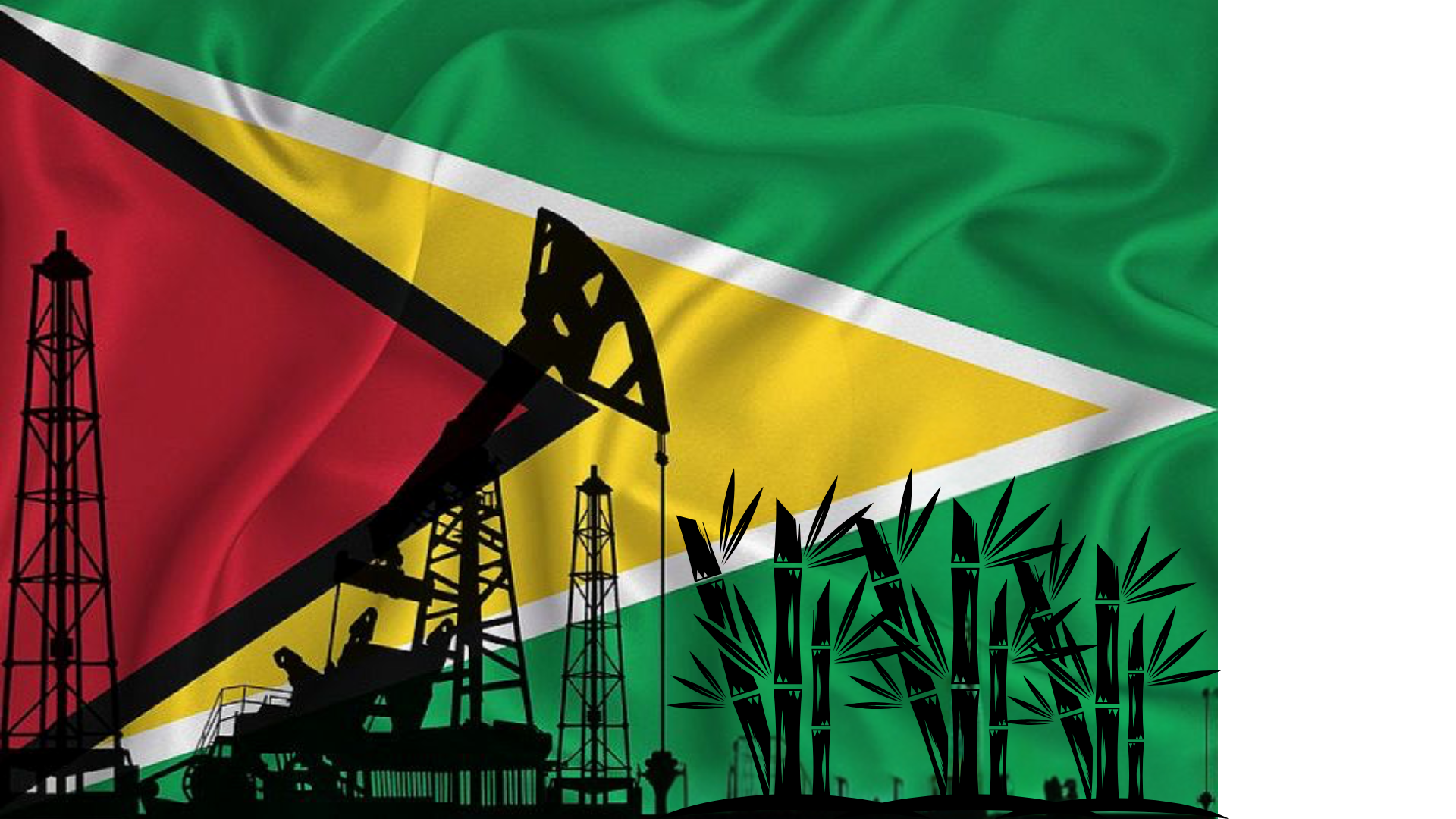
Ecocide in Guyana: Sugar to Oil
-
Topic Summary Description
-
My project outlines the land of Guyana. I undercover the role of climate colonialism and how the shift from sugar exploitation to oil exploitation has now led into the present century. I state the level at which climate change and social justice have been researched. I bring in colonialism by stating the shift in the rule from the Dutch to the British. I plan to discuss the economic components of how sugar was transported and where. I will explain how the major actors, like GuySoCo (sugar company) and others, played into the rise and downfall of Guyana’s wealth. This will play into the number of enslaved people they brought over as well as the number of indentured laborers from Asia. Mentioning the labor of enslaved people and many racial distribution patterns will tie all these together in how they impacted the climate then and now. It will be a great example of the exploitation of the land and people. This project will make people more aware of the effects of colonialism, not just on the people but through an environmental lens.
-
Student Name
-
Lilah von Gruenigen
-
Chronology
-
1616: Dutch Established First Settlement in Guyana
1621: Dutch West Indian Company given control of the region. This brings the slave trade into the region.
1658: First Sugar Plantations are developed in Guyana.
1781-1812: Transition to British control of Guyana, ending with the Congress of Vienna. The Dutch cede the
territory to Britian.
1815: Shift in Law for British Private companies in Colonies. Opening up more private companies to come into
the region.
1831: The region becomes fully British
1833-1839: British Gradual Emancipation Period.
1833 – Emanicipation Act Passed
28 August 1833 – Abolition Act (promoted the industry of the slaves and compensate the enslavers)
1838: Around the time of emancipation, there were 380 sugar estates with approximately
85,000 enslaved people
1838-1917: East Indian Laborers are brought in to replace enslaved labor force.
1849: Large Gold Deposits first discovered in Guyana
1849-1857: Multiple gold discoveries made throughout Guyana
1880s: Diamond Mining begins in Guyana. By 1923 they are the second largest producers of
Diamonds in the world.
1914-1919: World War I
1916: Emergence of the Bauxite (Aluminum) industry in Guyana. This became its main export.
1917: Emergence of Unions in Guyana.
1939-1945: World War II
1943: After Pearl Harbor the majority of American planes were made of Bauxite (Aluminum)
from Guyana. Industry rose even more as a result.
1966: Guyana Independence (Decolonization)
1976: Sugar industry is nationalized, and Guyana Sugar Corporation (GuySuCo) is formed.
2015: Sugar and Bauxite had been the main exports from Guyana until a rich offshore oil field
was discovered in 2015. Liza Phase 1 included 4 drill centers with 17 wells in total; eight oil producing wells, six water injection wells, and three gas reinjection wells.
2017 – Exxon Public Contract with Guyana is signed
2019: Exxon Mobile begins oil production
2021 - Thomas & De Freitas v. Guyana case
-
1616 – 2021
-
Nation(s) or Region(s) within the Caribbean
-
Guyana

 Caribbean History-2.png