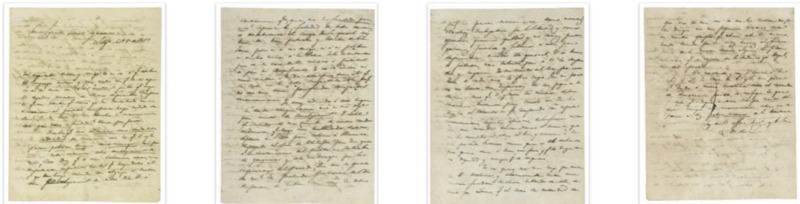
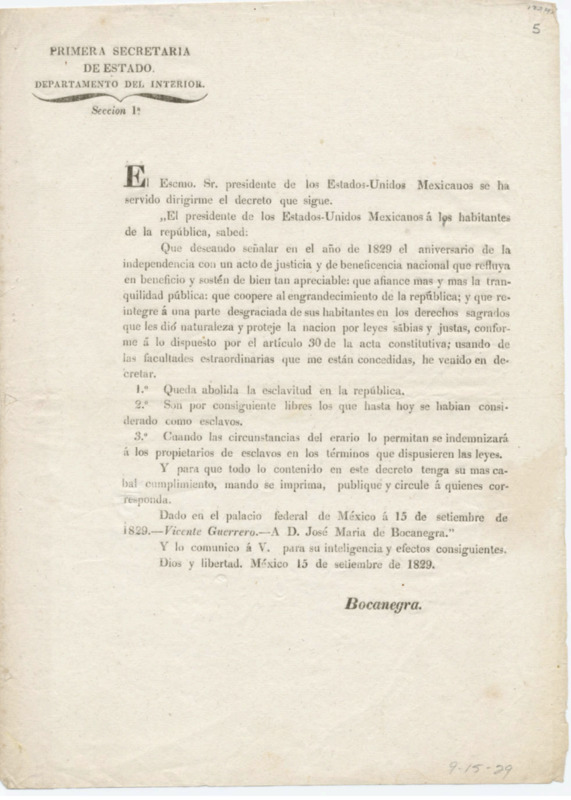
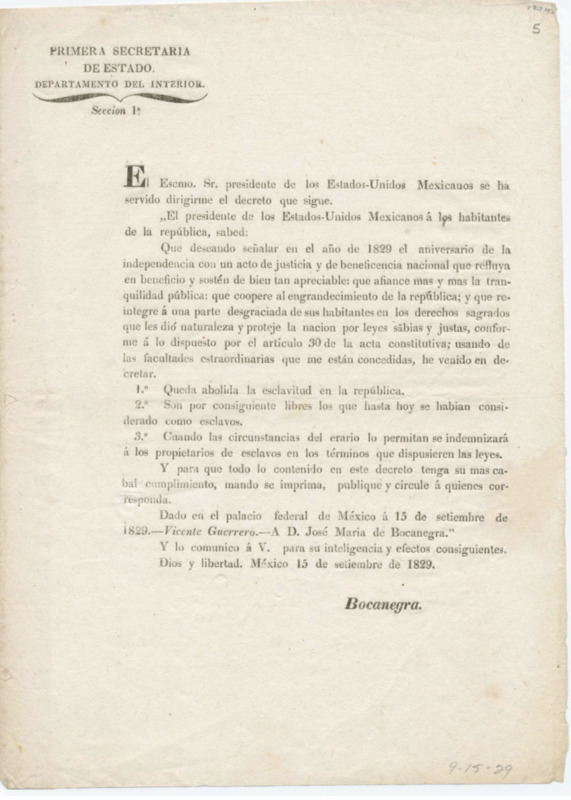
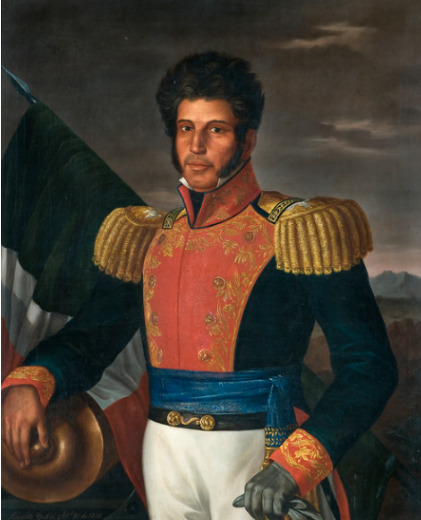
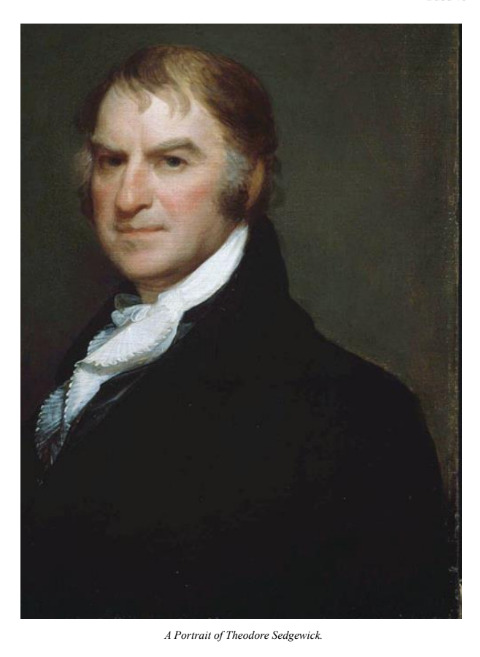
Originally written in Spanish, this letter is from Lorenzo de Zavala to Vicente Guerrero, trying to clear his name
and defend himself against rumors speculating that he had betrayed his party.
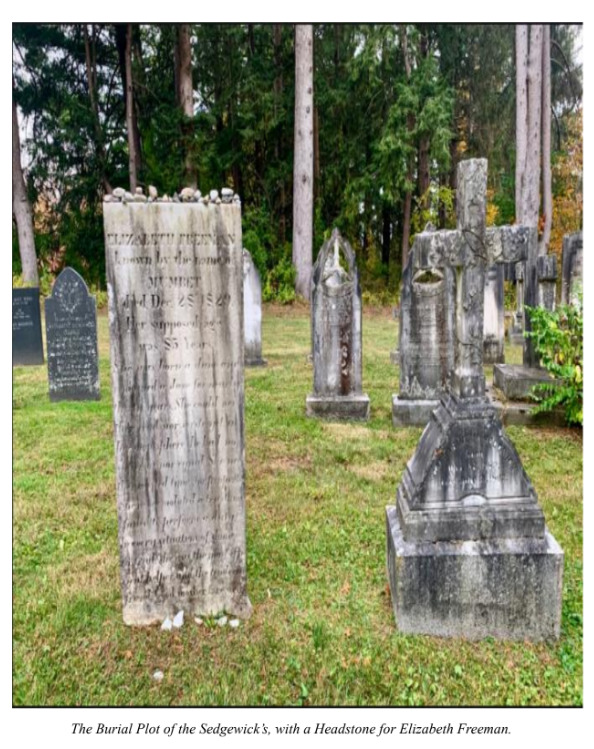
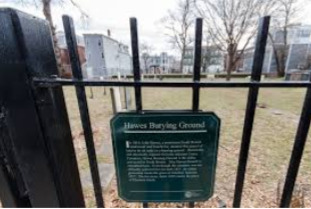
The burial site of Elizabeth Freeman, who passed away on December 28, 1829. She was laid to rest in the Sedgwick family burial ground, a reflection of the close relationship she shared with the family.
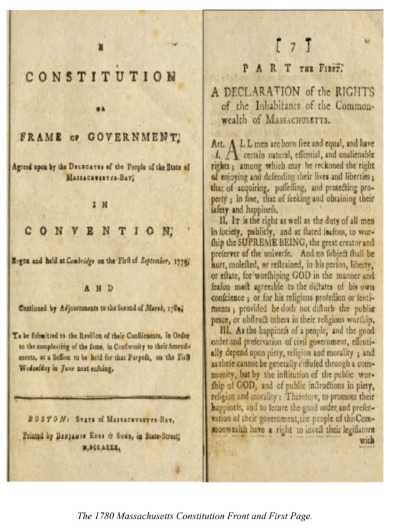
The Declaration of the Rights of the people of the Commonwealth of Massachusetts, which Elizabeth Freeman used to her advantage to fight for freedom in the court of law.
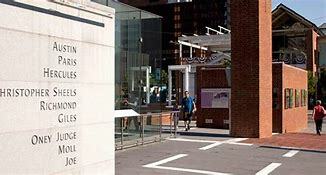
Despite the original house being destroyed, the city of Philadelphia installed a plague with the nine slaves the Washingtons brought with them from Virginia. There are also footprints embedded in the pavement to symbolize her run to freedom.
An address, delivered by Bolívar in Angostura, in which he calls for a strong, centralized government to unite and stabilize the new republics of Latin America.
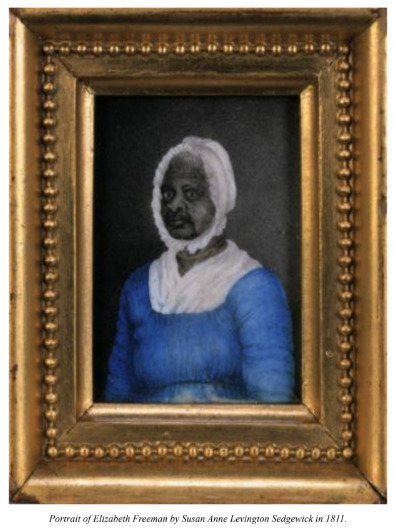
This is a portrait painting of Elizabeth Freeman, done after her emancipation by a member of the Sedgwick family. It was meant to represent her life following the lawsuit that secured her freedom.
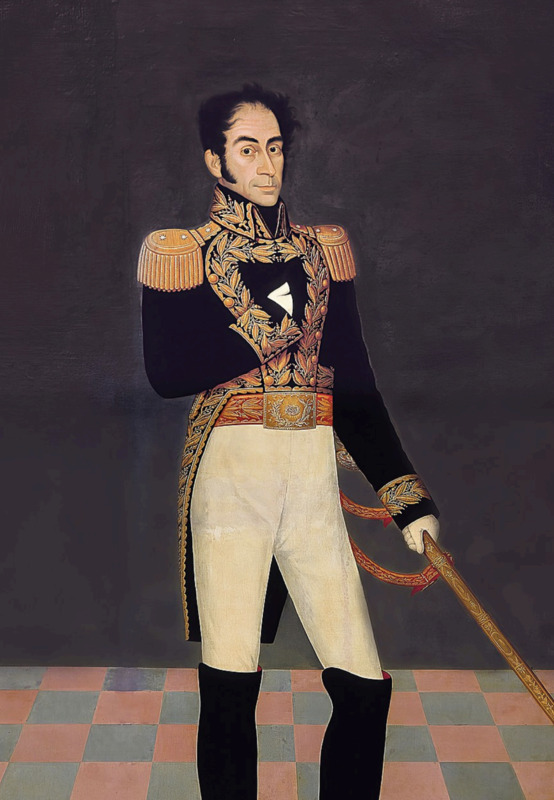
A portrait that was painted of Bolivar in Lima depicting him posing in his military garb with his right hand in his tucked into his jacket above his heart.
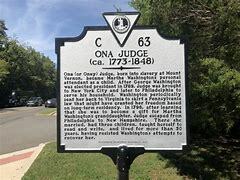
This is an article written Rev. Benjamin Chase in regards to an interview
he had with Ona Judge in which he restates her story along with his own commentary on the
profound impact of the experience.